

Modernizing network infrastructure is now a decisive factor for manufacturers in Florida. According to Deloitte’s 2025 Smart Manufacturing Survey, 78% of manufacturing leaders invest more than 20% of their improvement budgets into smart foundations like cloud and analytics, reporting measurable gains in productivity and capacity. Yet, many organizations in Florida still rely on legacy IT systems that slow decision-making and block digital transformation.
The question is simple: Are you modernizing to compete or holding onto outdated systems that silently erode your competitiveness?

Modernize Legacy Systems Without Disruption
Legacy infrastructure does more than inflate maintenance costs. It creates data silos, delays product launches, and limits the ability to deploy Industry 4.0 technologies such as predictive analytics or digital twins. Smaller competitors with cloud-native operations are already scaling faster, leveraging agility as a competitive weapon.
A Cloud Readiness Assessment provides a structured roadmap for modernization. Instead of forcing disruptive “rip-and-replace” migrations, it evaluates your infrastructure, applications, data, and security to design a phased approach aligned with your business goals. For Florida manufacturers, this ensures critical operations remain stable while innovation accelerates.
The Hidden Cost of Outdated Infrastructure
Legacy systems are a barrier to digital transformation in manufacturing because they block access to the real-time insights required for agility. Accenture’s 2023 Race to Cloud report found that while 86% of companies increased cloud investments, only 42% achieved the expected results. The issue is not the technology—it is the lack of readiness.
Outdated infrastructure drives downtime, slows production cycles, and prevents scaling Industry 4.0 initiatives. This hidden cost often outweighs short-term savings from avoiding modernization. A Cloud Readiness Assessment identifies these risks early and provides a clear plan to prevent downtime during transition.
Short-Term Savings or Long-Term Innovation?
Maintaining legacy systems may feel safe in the short term, but it creates long-term losses:
- Delayed time-to-market.
- Limited ability to scale cloud-enabled innovation.
- Higher exposure to security and compliance failures.
McKinsey reported in 2023 that 87% of organizations already face—or will soon face—significant skills gaps. Continuing with outdated tools deepens this gap, making it harder for teams to adapt to cloud-enabled operations. By contrast, a readiness assessment helps your workforce focus on high-value tasks while aligning modernization with your strategic objectives.
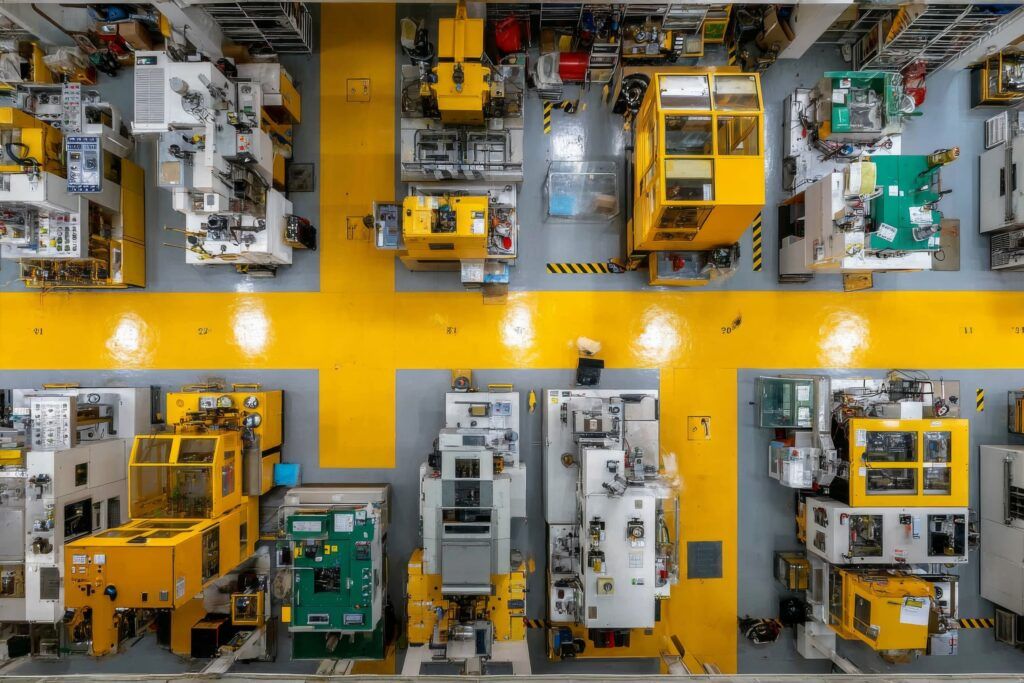
Modernize Florida Manufacturing to Stay Competitive
Florida is experiencing rapid manufacturing growth, ranking among the top U.S. states for reshoring and advanced production investment. But this growth also exposes local manufacturers to global competition. Firms that fail to modernize their IT infrastructure risk losing to competitors who embrace cloud-based operations, automation, and data-driven decision-making.
For manufacturers in Florida, a Cloud Readiness Assessment is not just a technology check—it is a competitive strategy. It provides executives with a high-level readiness score and IT leaders with a general migration plan, ensuring alignment from the boardroom to the factory floor.
Conclusion
Legacy systems may appear to save costs today, but their hidden toll is slower innovation, higher risk, and lost competitiveness tomorrow. The leaders who act now will set the pace for Industry 4.0 adoption in Florida.
The path forward is clear: begin with a Cloud Readiness Assessment to evaluate your current state, uncover risks, and build a phased plan for modernization.
Are you ready to modernize your network infrastructure—and position your Florida manufacturing operations for long-term success?
Schedule your Cloud Consultation TODAY!

Netvoix helps companies maximize their technology investments by providing comprehensive, timely, and cost-effective IT services.
VALUE-DRIVEN SOLUTIONS THROUGH TECHNOLOGY